



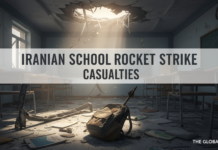












Iranian School Rocket Strike Casualties: The Heartbreaking Reality of Iranian School Rocket Strike Casualties. War has a cruel habit of targeting the future first. When we discuss Iranian school rocket strike casualties, we are not merely looking at data points or historical artefacts; we are remembering children who never came home.
Iranian School Rocket Strike Casualties: History and Impact
The history of the Iran-Iraq War is defined by the vulnerability of these educational institutions, where centres of learning were transformed into sites of profound tragedy. This legacy of the ‘War of the Cities’ continues to haunt the collective memory of the nation.
Historical Context:
The Shadow of Urban Warfare, the most significant instances of Iranian school rocket strike casualties occurred during the 1980s. Major cities became targets for long-range missiles aimed at breaking civilian morale.
However, the actual cost was paid by non-combatants, particularly the youth. One of the most painful chapters took place in February 1987 in Mianeh.
The Zeinab and Tharallah girls’ schools were struck by rockets, killing dozens of students in an instant. These were not military targets; they were classrooms filled with young people preparing for exams.
The sheer suddenness of these strikes made evacuation impossible, leading to high casualty rates that shocked the international community.
Analysing the Societal Impact The immediate damage—shattered glass and ruined buildings—is only the beginning.
The secondary effects on the educational system and the community’s psyche are deep and lasting. When a school is hit, the safety net of the community is torn apart.
Psychological Trauma
Survivors of the Mianeh school bombing and similar strikes carry lifelong emotional scars. For a child who witnesses the loss of a classmate, the classroom stops being a sanctuary and becomes a source of anxiety.
Experts in conflict psychology note that chronic PTSD in these environments can derail academic and social development for decades.
Teachers, too, are left to manage this trauma with few resources, causing the quality of education to suffer as survival instincts replace the focus on learning.
The Erosion of Educational
Stability Rebuilding is about more than bricks and mortar. It involves restoring the trust of parents who are often terrified to send their children back to a potential target.
This fear has historically led to higher dropout rates and literacy gaps in border regions like those affected during the Iran-Iraq war era.
International Law and Protection
Under the Geneva Conventions, schools are protected civilian objects. Targeting them is a clear violation of international law.
However, the nature of rocket warfare often leads to these tragedies through poor aiming or total disregard for civilian life.
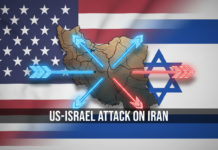
US-Israel Attack on Iran: Scenarios and Global Impact
Advocacy for ‘Safe Schools’ is a survival necessity. Global watchdogs emphasise that schools must remain conflict-free zones, yet enforcing these protections in active war zones remains a massive challenge for the international community.
Current Risks and Moving Forward
While the major wars of the 20th century have ended, regional tensions keep the risk to civilians high. Modern technology has improved precision, but the density of weaponry in sensitive border areas means the threat is never zero.
Addressing the reality of Iranian school rocket strike casualties requires strict adherence to humanitarian standards and better early warning systems. We must document these events to ensure historical accountability.
Education is the bedrock of the future; when rockets fall on schools, they strike at the very hope of a peaceful tomorrow.
By remembering Mianeh, we advocate for a world where children only have to worry about their dreams, not the sound of a siren.


