

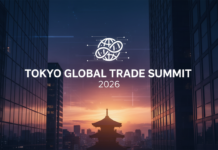















Tokyo Global Trade Summit 2026: Navigating the Future of International Commerce. Global commerce is currently navigating a pivotal inflexion point.
As we approach the Tokyo Global Trade Summit 2026, there is a tangible energy among economists, industry leaders, and policymakers.
Japan is not merely a host; it serves as a strategic sentinel of technological precision and diplomatic poise, making it the definitive stage for conversations that will dictate the next decade of international exchange.
Tokyo Global Trade Summit 2026 | Future of World Commerce
Situated within one of the world’s most sophisticated financial ecosystems, this 2026 summit is poised to transcend standard corporate dialogue.
It represents the venue where the framework for a more integrated ‘New Economy’ will be established.
For business leaders and policy strategists, grasping the subtleties of this event is a prerequisite for navigating an increasingly fragmented global market.
Why the Tokyo Global Trade Summit 2026 Matters:
Now The global trade environment has endured significant turbulence recently, exposing the fragility of lean manufacturing and the rise of regionalised trade blocks.
The Tokyo Global Trade Summit 2026 arrives as ‘Supply Chain Resilience’ transitions from a theoretical concept to an urgent operational mandate.
Japan’s unique role in the Indo-Pacific makes it a vital intermediary. By hosting this summit, Tokyo reinforces its position as the primary link between Western economies and the high-growth corridors of Southeast Asia.
This dialogue extends beyond logistics; it focuses on the ethical, environmental, and digital standards that will govern future Japan Economic Outlook assessments.
Core Pillars of the 2026 Summit
The summit agenda centres on three critical transformations: decarbonization, digital sovereignty, and human-centric trade.
1. Green Logistics and the Sustainability Mandate Environmental stewardship is now the focal point of international business. At the summit, significant attention will be given to ‘Green Shipping Corridors.’ Organisations are no longer debating the necessity of carbon reduction; they are focused on the velocity of implementation.
We expect to see advancements in hydrogen-propulsion technology and AI-driven routing to minimise fuel overhead.
For participants, the objective is to align with the rigorous ESG standards now being codified into international law.
2. Digital Trade: Moving Beyond Legacy Systems A primary highlight of the Tokyo Global Trade Summit 2026 is the transition toward a borderless digital ecosystem.
The industry is finally moving past the archaic ‘Bill of Lading’ in favour of decentralised smart contracts.
This shift to Digital Trade ensures that cargo moving from Osaka to European ports is tracked and settled via secure ledgers. This innovation mitigates fraud, slashes administrative costs, and accelerates customs throughput.
3. Supply Chain Resilience and Strategic Diversification The summit will also address the ‘China Plus One’ philosophy and the strategic reshoring of vital industries.
The priority is moving from ‘lowest cost’ to ‘maximum reliability’ to protect against geopolitical volatility.
4۔ Practical Insights for Summit Attendees: Success at the Tokyo Global Trade Summit 2026 requires more than attending sessions; it requires an understanding of ‘corridor diplomacy.’
The Nuance of Trust:
In Japan, ‘Nemawashi’—the quiet consensus-building process—remains essential. Relationships are built on long-term reliability rather than quick transactions.
Strategic Networking: Evening sessions in Marunouchi offer the best opportunities for high-level negotiation.
Policy Awareness: Regulatory frameworks in the Asia-Pacific are evolving. Staying updated on CPTPP revisions is crucial for any International Business strategy.
Supply Chain Optimization Preparing Your Business for 2026 and Beyond. To capitalise on the Tokyo Global Trade Summit 2026, businesses should immediately audit their supply chains for radical transparency.
See also Global Oil Price Surge
Future regulations will demand granular data on every manufacturing tier. Furthermore, prioritise digital literacy in logistics.
Teams must be proficient with automated forecasting and blockchain platforms to remain competitive.
The 2026 summit is a blueprint for a cleaner, faster, and more resilient global economy. The decisions made in Tokyo will define the flow of goods and capital for the foreseeable future.


